Business translation is a direct growth lever when it is managed with clear KPIs and supported by specialized translation services. By measuring how document translation, Spanish document translation, financial translation, banking translation, and marketing translation perform, companies can link language work to revenue, risk reduction, and customer experience.

Why business translation powers expansion

Business translation enables companies to sell, support, and operate in multiple languages without duplicating entire business units. It turns a single source content strategy into region‑ready materials that feel local to each audience. When this translation layer covers contracts, marketing, support, and compliance, it becomes a structural enabler of international scale.

Strategic business translation does three things for global growth:

KPI‑driven business translation

To move beyond ad‑hoc language requests, organizations define a KPI framework that connects business translation to measurable outcomes. These KPIs sit at three levels: business impact, operational performance, and quality/risk.

Business‑impact KPIs:

Operational KPIs for translation services and agencies:

Quality and risk KPIs:

Table: KPIs across business translation segments

Below is a compact table you can drop straight into your article to highlight how KPIs and metrics apply across the main business translation areas.

Segment / Service Primary Goal Key KPIs and Metrics
Business translation (overall) Support global revenue and scale Revenue by language/region; % deals using translated assets; time‑to‑market per locale; NPS by language
Document translation Enable safe, consistent operations % of critical documents translated; terminology consistency score; average turnaround; rework / error rate
Spanish document translation Unlock Spanish‑speaking markets Revenue from Spanish‑speaking customers; volume of Spanish documents; cycle time for Spanish contracts
Financial translation Regulated reporting and investor trust Number of translation‑related regulator comments; on‑time filing rate; coverage of multilingual reports
Banking translation Clear customer communication and KYC % of products with full multilingual docs; complaints tied to language issues; readability/comprehension KPI
Marketing translation Local demand and brand relevance Organic traffic by language; localized conversion rate; CTR on localized ads and emails; engagement metrics
Translation services / agency Scalable delivery and cost control Cost per word; on‑time delivery; linguist productivity; TM reuse; client satisfaction and retention

This table lets you visually connect each service type—business translation, document translation, Spanish document translation, financial translation, banking translation, and marketing translation—to a set of concrete metrics that executives can monitor.

Document translation and Spanish document translation KPIs

Document translation underpins everything from sales and legal to HR and operations. Without reliable, consistent document translation, global processes fragment and local teams start improvising.

Important KPIs for document translation:

Spanish document translation deserves its own focus because Spanish unlocks both mature and emerging markets in Europe, North America, and Latin America. Tracking revenue and deal volume tied to Spanish document packages, plus turnaround time and error rates for Spanish, shows how this single language can drive outsized global impact.

Financial and banking translation as risk KPIs

Financial translation and banking translation touch high‑stakes content: fund prospectuses, regulatory filings, loan agreements, client statements, and risk disclosures. Here, mistranslations can lead to fines, disputes, or loss of trust, so KPIs are heavily risk‑oriented.

Key metrics include:

When these KPIs improve, leadership can see that financial translation and banking translation are not just cost drivers but tools for entering new jurisdictions safely and maintaining smooth relationships with regulators and investors.

Marketing translation and growth metrics

Marketing translation is where business translation most clearly shows its growth impact. Localizing websites, campaigns, and content moves the needle on traffic, engagement, and conversion.

Growth‑focused KPIs for marketing translation:

By tracking these metrics per language and per campaign, marketing teams can prioritize which markets deserve deeper localization (more content types, more channels) and where to invest in creative transcreation rather than simple translation.

Making business translation metrics actionable

For translation services and any translation agency you work with, the final step is to embed these KPIs into dashboards and reporting routines. That means:

When you present business translation this way—with clear KPIs, a structured table, and explicit links to document translation, Spanish document translation, financial translation, banking translation, and marketing translation—it becomes obvious that language is not a cosmetic add‑on. It is a measurable, optimizable system for driving global growth.


Best Languages to Learn for Translation Jobs in 2026: A Comprehensive Career Guide

The global language services industry is experiencing unprecedented growth, projected to expand from $76.24 billion in 2025 to $127.53 billion by 2032, exhibiting a CAGR of 7.6%. For aspiring linguists and career-minded professionals, understanding which languages command the highest demand and best compensation has never been more critical. As businesses continue their global expansion and digital transformation accelerates across continents, the need for skilled translators has reached new heights. This comprehensive guide explores the best languages to learn for translation jobs in 2026, providing insights into market demand, earning potential, and emerging opportunities that can shape a rewarding career in the language services industry.​

The Global Translation Landscape: Understanding Market Dynamics

The translation industry has transformed from a niche service into a strategic business enabler. According to Nimdzi Research, the language services industry reached USD 71.7 billion in 2024 and is projected to grow to USD 75.7 billion in 2025. This growth is fueled by globalization, technological advancements, and the increasing demand for multilingual content across diverse sectors.​

Europe commands nearly half of the global language services market at 49%, followed by North America at 39.41%. However, emerging markets in Africa, Asia-Pacific, and Latin America are witnessing exponential growth, creating new opportunities for translators specializing in previously underserved language pairs. The localization services segment dominated the market in 2024 with a share of 29% and is estimated to grow at the highest CAGR during the forecast period.​

To reach 80% of online purchasing power, content needs translation into just eight languages: English, Chinese, Japanese, Spanish, German, French, Portuguese, and Italian. This creates significant opportunities for translators who can strategically position themselves within these markets while also considering emerging language needs.​

Top-Tier Languages: Maximum Demand, Premium Compensation

Mandarin Chinese: The Global Business Powerhouse

Mandarin Chinese consistently ranks among the highest-paying and most in-demand languages for translation work. With China’s economic dominance continuing to shape global trade, technology, and manufacturing, Mandarin remains one of the most valuable languages for businesses. Chinese translators in the United States earn an average annual salary of $57,200, with top earners reaching $71,500 annually.​

The Chinese-English language pair offers substantial opportunities, particularly for specialized knowledge in areas like technology, finance, or legal translation. China has over 900 million internet users, creating massive demand for localization services. Companies with interests in Asia, including global giants like Apple, Tesla, and HSBC, constantly seek language service professionals to navigate this vast and competitive market.​

The complexity of Mandarin, with its rich tonal variations and unique characters, necessitates skilled translators who can convey messages effectively. This complexity, combined with high demand, ensures that qualified Mandarin translators command premium rates, typically ranging from $0.09 to $0.15 per word. For businesses seeking to enter or expand in Asian markets, working with a reputable translation agency that specializes in Chinese translation is essential for success.​

Spanish: Global Reach with Exceptional Accessibility

Spanish presents one of the most accessible and rewarding opportunities for translation professionals. Spoken by over 595 million people across 21 countries, Spanish offers instant return on investment for translators. The language is easier for English speakers to learn, requiring approximately 600-750 hours of study, making it an excellent entry point for aspiring translators.​

Spanish translators earn between $40,000 and $70,000 annually, with demand particularly strong in healthcare, legal services, and business sectors. With 41 million Spanish speakers in the United States alone, the domestic market for Spanish translation services remains robust. The language is crucial for companies operating in Latin America, the United States, and Spain, making it essential for industries such as banking, tourism, and healthcare.​

Beyond general translation, Spanish document translation services are increasingly sought after for immigration, legal proceedings, and certified document needs. For individuals and businesses in regions like Santa Clarita, Murrieta, and Temecula, access to quality certified translation services has become indispensable for navigating official documentation requirements.

German: The Engineering and Technical Gateway

German continues to command premium rates, particularly in engineering, automotive, and technical fields. Germany’s position as Europe’s largest economy and a global manufacturing leader creates consistent demand for specialized translators who understand technical terminology in both languages. German translators earn between $45,000 and $85,000 annually.verbolabs+1

The German machine translation market alone was estimated at USD 450 million in 2024 and is projected to reach USD 1.8 billion by 2032. This growth reflects the country’s robust economy and leadership in sectors like automotive, manufacturing, and pharmaceuticals, which necessitate advanced linguistic tools to maintain global competitiveness.​

Germany is the world’s leading location for international trade fairs, with over 10 million yearly attendees traveling thousands of miles to connect, collaborate, and trade. This creates significant demand for both translation and interpretation services. Document translation is in high demand every day, given the volume of commerce conducted in German. The UK alone has seen significant growth in demand for German translation services due to globalization and the need for effective communication across diverse populations.​

Arabic: Gateway to Expanding Middle Eastern Markets

Arabic represents one of the most lucrative opportunities in the translation industry, with translators earning between $50,000 and $100,000 annually. The Arabic-speaking market encompasses over 400 million speakers across 25 Arab countries, with the MENA region’s digital economy valued at $55 billion and growing at 8% annually.​

The rapid growth in industries such as oil, finance, and tourism in Middle Eastern regions creates strong demand for Arabic translation. Arabic is increasingly sought after for legal and technical documentation, especially in the energy and finance sectors. Countries such as Saudi Arabia, the UAE, Qatar, and Kuwait have become international business hubs, attracting investments from Europe, Asia, and North America.​

Understanding the diverse Arabic dialects is crucial for success in this market. Gulf Arabic is spoken in Kuwait, UAE, Saudi Arabia, Qatar, Oman, and Bahrain, while Algerian Arabic serves the Maghreb region. Specialized services like Bahrani Arabic translation cater to specific regional needs. A professional translation company with expertise in Arabic dialects can help businesses navigate these complexities effectively.

French: Beyond Europe to Africa’s Rising Markets

French remains a cornerstone of international communication, spoken across 29 countries and essential for diplomacy, international aid, and luxury industries. French translators earn between $40,000 and $75,000 annually. The language maintains a key role in international relations, multilingual marketing, and the pharmaceutical sector due to its global reach.​

What makes French particularly valuable for 2026 is its prominence in Africa’s booming markets. With French serving as an official language in numerous African nations, translators who combine French proficiency with understanding of African markets position themselves for exceptional opportunities. A global skincare brand increased its conversion rate in France by 18% after replacing machine-translated product descriptions with localized French content tailored to cultural norms and idioms.​

French translation services facilitate access to French-speaking markets, improve communications, and help ensure compliance with regional regulations. The demand spans from Canadian Quebec to France, Belgium, Switzerland, and across French-speaking Africa, making it a truly global language for translation professionals.​

Japanese: Innovation, Technology, and Entertainment

Japanese commands some of the highest freelance translation rates in Asia, averaging $0.12 to $0.18 per word. Japanese translators earn between $50,000 and $80,000 annually, with particular demand in IT, business, gaming, and entertainment industries. Japan’s world-leading industries in robotics, artificial intelligence, and automotive engineering create continuous demand for skilled translators.​

The Japanese writing system, which incorporates Kanji, Hiragana, and Katakana, requires highly specialized translators who can navigate these complexities. The gaming industry represents a major employer for Japanese translators, with companies like Sony PlayStation, Keywords Studios, and Digital Hearts actively recruiting for localization roles.​

Japan’s growing partnerships in global tech and manufacturing mean that learning Japanese can position translators for cutting-edge research, innovation, and high-value technical careers. The country’s influence in gaming, anime, and cultural exports continues to drive demand for media localization and subtitling services.

High-Growth Languages: Emerging Opportunities for 2026

Korean: The K-Wave Effect on Translation Demand

The rise of K-pop, K-dramas, and Korean tech companies has created massive demand for Korean translators. Korean translators earn between $45,000 and $70,000 annually, with average freelance rates ranging from $0.10 to $0.16 per word. The demand for Korean interpreters is expected to grow in 2024 and beyond, driven by globalization, international business, and the increasing influence of South Korea on global culture.​

Korea continues to have a heavy political and cultural influence globally, making the language increasingly important for businesses, media companies, and entertainment organizations. Korean translation jobs are available with major companies, and freelancers can expect competitive rates particularly in legal, medical, business localization, and entertainment sectors.​

Global companies expanding into Korea need translators to localize marketing materials, product information, and customer communications. E-commerce and retail organizations, technology and software firms, media and entertainment companies, and legal and financial institutions all require specialized Korean translation services.​

Portuguese: Brazil’s Economic Powerhouse

Portuguese holds tremendous value for translators, particularly the Brazilian variant. Brazil is home to the 7th largest consumer market in the world, making it an attractive target for global businesses. Portuguese translators earn between $35,000 and $65,000 annually, with demand especially strong in business, legal, and marketing sectors.​

Portuguese is the fifth most natively spoken language in the world, with nearly 270 million total speakers. Its reach extends beyond Brazil and Portugal to several African countries, including Angola, Guinea-Bissau, and Cape Verde. Brazil’s growing economy and e-commerce sector create significant opportunities for translators who understand regional dialects and cultural nuances.​

The market value of e-commerce in Portugal alone is estimated at €4.3 billion, while Brazilian consumers spend an average of 9 hours per day online. This digital engagement drives massive demand for website localization, product descriptions, and customer support translation services.​

Russian: Strategic Importance in Energy and Technical Fields

Despite geopolitical complexities, Russian remains strategic for technical and regulatory translation, particularly in the oil and gas, finance, and legal sectors. Russian translators earn between $40,000 and $65,000 annually. The energy sector represents a major area of demand, with Russian translations required for complex design documentation for power station projects and research works in regenerative and alternative energy.​

Russia’s position as a major player in energy and trade creates ongoing demand for Russian translations in business negotiations, legal documents, and corporate communications. Certified Russian translation services are essential for businesses engaged in international trade with Russian-speaking markets.​

The oil and gas industry specifically requires specialized translators with knowledge of technical terminology, engineering standards, and regulatory requirements. A master’s programme in “Intercultural Communication and Translation in the Oil and Gas Industry” trains specialists as translator/interpreters with knowledge of computer-aided translation tools and post-editing machine translation skills.​

Hindi: India’s Digital Revolution

Hindi represents an essential asset for digital localization and customer care projects driven by India’s rapid digitalization. With over 600 million Hindi speakers, it represents a huge audience base that can unlock new opportunities for businesses. The Indian language translation market size is estimated to be close to $500 million, representing approximately 5% of the global market share.​

India, with its 22 official languages and 19,500+ dialects, is witnessing a massive surge in demand for translation and localization services. More than 45% of India’s population speaks Hindi as their first or second language, whether in rural or urban areas. Businesses that translate their content are seeing a 1.5x increase in customer retention and higher click-through rates and conversions.​

The government of India is investing USD 65 million to make education, especially in science and technology, more inclusive by translating books, courses, exam papers, and degree courses in all 22 official languages. This initiative creates substantial opportunities for Hindi translators in the educational sector.​

African Languages: The Frontier of Translation Opportunities

Africa represents one of the most exciting frontiers for translation professionals in 2026. The continent’s diverse linguistic landscape, growing middle class, and increasing digital penetration create unprecedented opportunities for translators specializing in African languages.

Swahili: East Africa’s Lingua Franca

Swahili is the most widely spoken language in East Africa, natively spoken by around 5 million people with an additional 135 million second-language speakers. With many countries in Eastern and Central Africa, such as Kenya, showing massive growth specifically in telecommunications and IT technology, the demand for Swahili translations is skyrocketing.​

Swahili translation services are essential for businesses targeting markets in Tanzania, Kenya, Uganda, and the Democratic Republic of Congo. The language serves as a lingua franca throughout East Africa, playing a crucial role in education, business, and daily life. Professional translation services specializing in Swahili can help organizations effectively penetrate these growing markets.dynamiclanguage

Amharic and Ethiopian Languages

Amharic, the official language of Ethiopia, serves more than 58.8 million speakers and ranks as the most spoken language in Ethiopia and the second most spoken Semitic language globally. With over 32 million native speakers, Amharic’s demand for translation is growing, particularly in legal, medical, and educational settings.​

Ethiopia’s unique historical and cultural identity in Africa, combined with a significant global diaspora, has spurred increased demand for Amharic translations. Services for Gurage to English translation and other Ethiopian languages are becoming increasingly valuable as international organizations expand their presence in the Horn of Africa.​

West African Languages: Hausa, Yoruba, and Fulfulde

Hausa is spoken by over 50 million people in West Africa and serves as a lingua franca across countries like Nigeria, Niger, and Cameroon. Its wide use in international broadcasting through channels like BBC Hausa and Voice of America has led to increased translations.​

Yoruba, with over 30 million speakers in Nigeria, Benin, and Togo, is essential for businesses targeting these regions. The Efik-Ibibio translation services market also shows promise for the Nigerian market expansion.dynamiclanguage

Fulfulde, spoken across West and Central Africa, represents a growing opportunity as organizations seek to reach pastoralist and semi-nomadic communities. Fulfulde to English translation services are increasingly sought after for development projects, healthcare initiatives, and educational materials.

Ugandan Languages: A Growing Market

Uganda’s vibrant translation market reflects the country’s linguistic diversity and growing economy. Luganda, one of the major languages spoken by approximately 5 million native speakers and understood by over 20 million people, dominates central Uganda. The introduction of the thematic curriculum in Ugandan schools, where Luganda is taught in lower primary, has increased literacy and translation needs.​

Lusoga translation services cater to the Busoga region, while Rukiga, Rutooro, and Runyankole translations serve western Uganda. These services are essential for healthcare, education, and legal documentation needs.

Kampala’s growing bilingual market demonstrates why Luganda translation services matter for businesses operating in Uganda’s capital. Additionally, conference interpreting services in Kampala have become essential for international conferences, diplomatic meetings, and business events hosted in the city.

Southern and Central African Languages

Southern Africa presents distinct opportunities with languages like Lozi, Kaonde, and Bemba serving Zambia and neighboring regions. Oshiwambo translation services cater to Namibia, while Lingala translation serves the Democratic Republic of Congo.

Kenyan languages also present growing opportunities. Luhya translation services and Kamba translation address western and eastern Kenya respectively, while Dholuo translation serves the Luo community. Maasai language translation is increasingly important for cultural preservation and tourism-related content.

North African languages like Siwi and Dangme from Ghana represent niche markets with growing demand. Zarma-Songhai translation serves Niger and Mali, expanding the reach of development organizations and businesses in the Sahel region.

Asian Language Opportunities Beyond the Major Markets

Vietnamese: Southeast Asia’s Rising Star

Vietnamese represents an emerging high-growth language pair with rising demand and lower competition. The translation industry in Vietnam is shifting from a silent craft to a strategic force, with increased demand and new opportunities. As Vietnam accelerates its integration into international trade and education, the need for culturally fluent, high-quality translations is rising sharply.​

Vietnam has entered into numerous trade agreements, including the Comprehensive and Progressive Agreement for Trans-Pacific Partnership (CPTPP) and the EU-Vietnam Free Trade Agreement (EVFTA). These agreements have opened up new markets and led to increased cross-border collaborations, all requiring professional interpretation and translation services.conference-interpretation

The country’s appeal to foreign investors continues to grow due to low labor costs, favorable investment climate, and access to the ASEAN market. Major foreign corporations in electronics, automotive, and textiles have established operations in Vietnam, creating demand for interpreters to communicate with local government authorities, business partners, suppliers, and employees.conference-interpretation

Thai, Turkish, and Other Emerging Languages

Thai translation offers opportunities in tourism, government, and eLearning sectors, with average rates between $0.08 and $0.12 per word. The ongoing expansion of Thai tourism, legal reforms, and education platforms creates sustained translation demand.​

Turkish translation services are witnessing unprecedented demand, particularly in the Gulf Cooperation Council countries. The deepening economic, cultural, and diplomatic ties between Turkey and the Arabian Peninsula have created opportunities for translators with specialized knowledge of construction terminology, engineering standards, and local regulatory requirements.​

Meitei language services for India’s Northeast region and Luhya language services represent niche opportunities for translators willing to specialize in underserved markets.

Industry Specializations: Where Skills Meet Premium Rates

Legal Translation: Precision and Compliance

Legal translation commands premium rates due to the high stakes involved. Translators specializing in contract law, patents, and court documents are highly valued. Certified translations for legal documents require specialized knowledge and precision, with errors potentially leading to breach of contract, regulatory fines, or lawsuits.​

For immigration purposes, USCIS document translation services require complete English translations along with signed and dated certifications from the translator. Services in Oceanside and Yuma, Arizona cater to communities with significant immigration-related translation needs.​

The judicial segment is emerging as a significant driver of growth in the translation service market, fueled by globalization, cross-border legal interactions, and the increasing need for accurate translations in legal proceedings. By 2035, the judicial segment is projected to capture over 25.5% of the translation service market share.​

Medical and Healthcare Translation

Healthcare translation is experiencing significant growth, driven by the need for multilingual medical documentation, patient care instructions, and health information apps. The average salary for freelance medical interpreters ranges from $60,000 to $90,000 per year depending on language pairs and area of specialization.​

Since 2020, demand for medical interpreters has surged by 25% due to the expansion of virtual care and language access requirements. Telehealth interpreting and remote medical interpretation are increasingly in demand as healthcare systems adapt to serve diverse patient populations.​

Technical and Engineering Translation

Technical translation services are in high demand for manufacturing, automotive, and engineering sectors. Translators who understand complex technical concepts and industry-specific terminology are highly valued. German-English translation pairs are particularly prominent in this sector, given Germany’s leadership in manufacturing and engineering.​

Technical translation requires expertise in specific domains, including engineering, biology, and physics. Translators with educational backgrounds and industry experience in technical fields can command premium rates for installation manuals, technical specifications, and product documentation.​

Entertainment and Media Localization

The gaming industry offers exciting opportunities for translators, particularly in Japanese, Korean, and Chinese language pairs. Video translation and localization services are booming, with the global market for online education expected to hit USD 325 billion in 2025 alone.​

Subtitling, voice-over, and dubbing services are among the fastest-growing sectors within the translation industry. Major gaming companies like Keywords Studios, Digital Hearts, and Sony PlayStation actively recruit translators for game localization roles.​

Building a Successful Translation Career in 2026

Essential Qualifications and Skills

Becoming a successful translator requires more than fluency in a particular language. The translation profession demands excellent written mother tongue skills, profound understanding of source language culture, and specialized knowledge in chosen fields. Typically, a bachelor’s degree and at least three years of experience are required to become a translator.​

The American Translators Association offers certification in 29 different language combinations, with the current pass rate less than 20%. Only about 2,000 ATA members are certified out of over 10,000 members, demonstrating the competitive nature of professional certification.atanet

Translators need three main skills: source language reading, target language writing, and subject-area knowledge. Specialization allows translators to develop in-depth knowledge, master specialized terminology, and position themselves as experts in niche areas.​

Choosing Your Specialization

Specialization is crucial for building a sustainable translation career. Pick an area that you enjoy researching, as you’ll be doing significant reading in your specialization. Ensure that your target specialization generates enough paying work for a viable business.​

If you want to work with agencies, target one of their core areas: financial, medical, legal, pharmaceutical, IT, or patents. Many specializations are increasingly dominated by people with significant work experience in the domain. For example, the US market shows more lawyers who have turned to legal translation as an alternative career.​

Specialized roles include legal translation, financial translation, medical translation, business translation, diplomatic translation, and community translation and interpretation. Careers in localization and technology offer diverse opportunities combining linguistic skills, technical expertise, and creative thinking.​

Freelance vs. In-House Careers

The salary of a freelance translator varies significantly based on ability to run a business effectively. Freelance translators can work directly with clients or through agencies. Working with an agency may mean lower pay but reduced risk, while working directly with clients could mean higher-value projects but requires better sales, marketing, and communication skills.​

The average salary for a freelance translator in the United States is $25.51 per hour. However, highly skilled and experienced freelance translators could earn anywhere from £10,000 to £100,000 per year. Specialized and experienced professionals often command higher fees.​

In-house translator positions offer stability and benefits but may limit earning potential compared to successful freelancing. Translators earn an average of $64,000 per year, while interpreters earn about $53,000 per year.​

Technology and the Future of Translation

AI and Human Collaboration

Machine translation and generative AI are now capable of producing first drafts, multimodal translations, and even real-time speech rendering. The machine translation market is projected to grow from USD 678 million in 2024 to USD 706 million in 2025, reaching nearly USD 995 million by 2032.​

However, human translators remain essential. As AI models grow more capable, human translators are increasingly functioning as post-editors, quality assurance specialists, and cultural consultants. They shape AI content to align with audience expectations, idiomatic nuance, and stylistic consistency.​

Machine Translation Post-Editing (MTPE) is booming, offering a 30–50% cost reduction while maintaining human-level accuracy. Smart translators are leveraging technology to enhance productivity while maintaining the cultural and contextual understanding that machines cannot replicate.​

Skills for the AI Era

The future of translation requires adaptability and continuous learning. Human experts structure localization pipelines, decide acceptable risk thresholds, and design content in ways that anticipate AI weak spots. Prompt engineering, interaction design, model parameter tuning, and ensuring generated output aligns with domain expectations have become valuable skills.​

The translation profession is evolving toward strategic oversight and content design. Translators who can manage translation projects, work with computer-aided translation tools, and provide cultural consulting services will thrive in this changing landscape.​

Making Your Language Investment Decision

Factors to Consider

When choosing which language to learn for translation jobs, consider several factors:​

Career Goals: Are you in tech? Choose Mandarin or Japanese. Healthcare or education? Spanish is ideal. Finance and engineering? German provides significant advantages.​

Market Demand: Languages where demand exceeds supply, such as Vietnamese, Thai, or African languages, often offer higher rates due to lower competition.​

Learning Time: Spanish and Portuguese require approximately 600-750 hours, while Mandarin, Japanese, Arabic, and Korean require approximately 2,200 hours for proficiency.​

Regional Opportunities: Consider where you want to work and which markets interest you. US translators may benefit more from Spanish, while European markets favor German and French.​

Strategic Recommendations for 2026

For maximum career potential in 2026, consider these strategic approaches:

High-Demand, High-Reward: Chinese, Arabic, and Japanese offer the highest earning potential but require significant investment in learning time.​

Accessible Excellence: Spanish, French, and Portuguese provide excellent opportunities with shorter learning curves for English speakers.​

Emerging Markets: Vietnamese, Korean, and African languages offer growing opportunities with less competition.​

Specialization Premium: Combining any language with legal, medical, or technical expertise significantly increases earning potential.​

Conclusion

The translation industry stands at an exciting crossroads in 2026, with technological advancement creating new opportunities rather than eliminating human roles. The global language services market’s projected growth to $127.53 billion by 2032 demonstrates the enduring value of professional translation services in our increasingly connected world.​

Success in translation requires strategic language selection combined with specialization, continuous learning, and adaptation to technological changes. Whether you choose established powerhouse languages like Chinese, Spanish, or German, or venture into emerging markets with African or Southeast Asian languages, the key lies in developing deep expertise and positioning yourself as a valuable bridge between cultures and businesses.

Working with a professional translation company can provide aspiring translators with valuable insights into market demands and quality standards. As the industry evolves, those who combine linguistic excellence with specialized knowledge and technological adaptability will find abundant opportunities in this dynamic and rewarding field.

The languages you choose to learn today will shape your career for decades to come. By understanding market dynamics, earning potential, and emerging trends, you can make informed decisions that align with your interests and career aspirations while positioning yourself at the forefront of the global translation services industry.

 

International SEO Strategy: 9 Essential Steps to Drive Global Growth in 2025

By Lokotor James
November 2025 – 16 min read

The Strategic Case for International SEO in 2025

Global expansion through organic search has become the defining competitive advantage for digital-forward businesses. When executed with precision, an international SEO strategy transforms your website into a multilingual revenue engine—reaching customers exactly when they search in their own language.

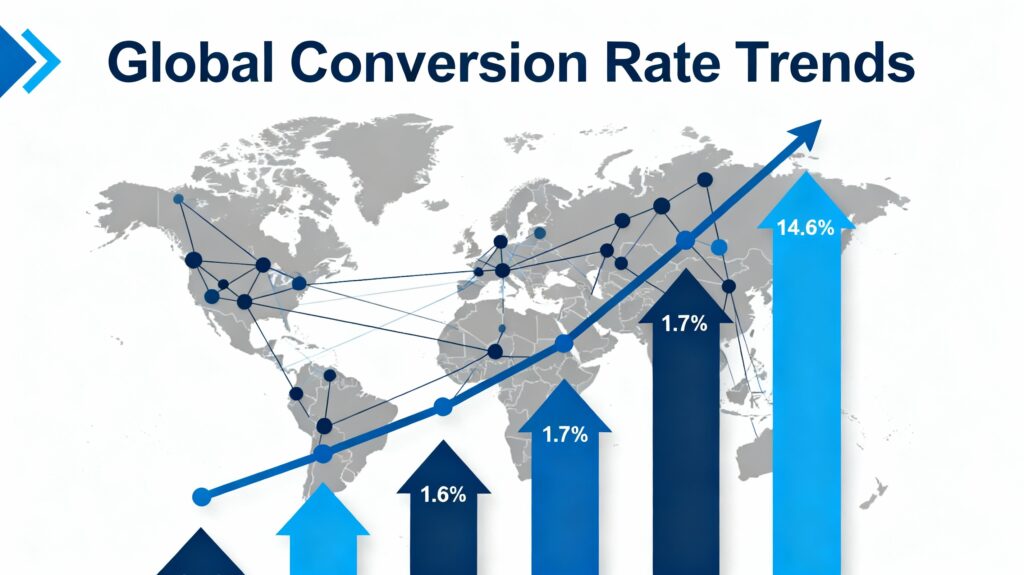
Organic search conversion rates dramatically outperform outbound marketing methods in 2025

The numbers tell a compelling story. According to G2’s 2025 marketing insights, organic search leads convert at rates up to 14.6%, far outpacing outbound campaigns at just 1.7%. For companies serious about sustainable international growth, this gap isn’t just a statistic—it’s a business imperative.

Applied Lingo has spent years helping brands unlock this potential. This comprehensive guide walks you through nine proven steps to build a global SEO framework that works—from domain architecture and technical foundations to culturally nuanced content that earns both rankings and trust across every target market.

Understanding International SEO: Definition and Scope

International SEO is the practice of optimizing your website to rank effectively across multiple languages and geographic regions. It goes far beyond simple translation.

True international SEO requires harmony between three forces:

Technical precision (domain setup, hreflang implementation, site speed)
Linguistic expertise (native keyword research, cultural adaptation)
Content strategy (market-relevant topics, continuous optimization)

When these align, your brand becomes visible to the right audience, in the right language, at the right moment in their search journey.

Why International SEO Delivers Competitive Advantage

Organizations that invest in international SEO gain measurable advantages:

Expanded market reach across language “niches” with lower competitive saturation
Enhanced customer trust through localized, culturally resonant experiences
Diversified organic traffic reducing dependence on any single market
Sustainable growth that compounds as domain authority builds across regions

The data supports this. According to Statista (2025), English websites represent 52% of global web presence, while Spanish, German, French, and Russian collectively comprise less than 20%. That massive imbalance reveals untapped markets where ranking friction remains remarkably low compared to saturated English-language niches.

For B2B and SaaS companies especially, spreading SEO effort across languages doesn’t just capture new visitors—it boosts overall domain authority and signals to search engines that your brand operates at a genuinely international scale.

Five Critical Mistakes That Derail International SEO

Before implementing your strategy, understand what not to do:

Treating translation as a commodity. Pasting website content into an AI translator and calling it localized is a recipe for poor rankings and eroded trust.
Ignoring local keyword research. Literal translations never align with actual search intent in target markets.
Overlooking technical setup. Misconfigured hreflang tags, poor site speed, and duplicate content penalties will cripple your efforts.
Hiring reviewers unfamiliar with local culture. Native speakers aren’t optional—they’re essential for catching colloquialisms, regional preferences, and brand voice consistency.
Publishing once and abandoning content. Localized pages require the same ongoing optimization and updates as your primary market site.

Applied Lingo has seen each of these mistakes drain resources and stall international growth. Avoiding them is half the battle.

The 9 Steps to Build a Winning International SEO Strategy

Step 1: Analyze Target Markets with SEO Intelligence

The foundation of any global expansion is data-driven market selection. Don’t guess where to expand—measure it.

Start with Google Analytics 4 (GA4): Navigate to Reports > User Attributes > Demographic details to identify countries already sending meaningful traffic or conversions. Real-world engagement often reveals quick-win markets that desk research alone misses.

Complement this with competitive intelligence tools like Semrush or Ahrefs, which reveal:

  • Where your competitors rank strongest

  • Which geographic markets show lower ranking difficulty

  • Seasonal or industry-specific opportunities in specific regions

A SaaS company noticing rising India-based traffic might discover an underdeveloped market opportunity. A European e-commerce brand might spot that Scandinavian competitors rank easily in mid-tier keywords—a signal to prioritize that region.

The goal: identify markets with genuine demand and manageable SEO competition.

Step 2: Choose Between Country-Specific or Language-Based Targeting

Your expansion model depends on your business structure and audience:

Country-specific targeting makes sense if you need to:

  • Display prices in local currency

  • Comply with regional regulations

  • Serve culturally distinct audiences

Example: A retailer launching in Germany, Austria, and Switzerland would benefit from country-specific sites because each market has distinct legal requirements and customer expectations—even though all speak Deutsch.

Language-based targeting works better if you:

  • Serve a linguistically cohesive audience across multiple countries

  • Want to minimize technical complexity

  • Have limited localization resources

Example: A Spanish-language educational platform can serve Spain, Mexico, Colombia, and Argentina from a single Spanish-language domain, avoiding the overhead of managing four separate country sites.

Most mid-market companies find a hybrid approach most efficient: language-primary targeting with country-specific landing pages for top-performing regions.

Step 3: Select Your Domain Architecture Strategy

Domain structure directly influences how search engines interpret geotargeting and how quickly you build SEO authority. You have three primary options:

StructureExampleBest ForKey AdvantageKey Challenge
Country Code TLD (ccTLD)applied-lingo.deE-commerce, highly localized brandsMaximum local trust; preferred ranking in local searchHigh cost; slow authority building; domain fragmentation
Subdomainde.applied-lingo.comMulti-language platforms, softwareClear content separation; easier managementSlower to establish independent authority
Subdirectoryapplied-lingo.com/deMost companies; scalable growthInherits main domain authority; simplest managementLess precise geotargeting signal


Applied Lingo’s recommendation: For most growing companies, subdirectories offer the best balance of scalability and SEO efficiency. You leverage your primary domain’s authority while maintaining clean content separation and straightforward management.

Step 4: Build a Technical SEO Foundation That Scales

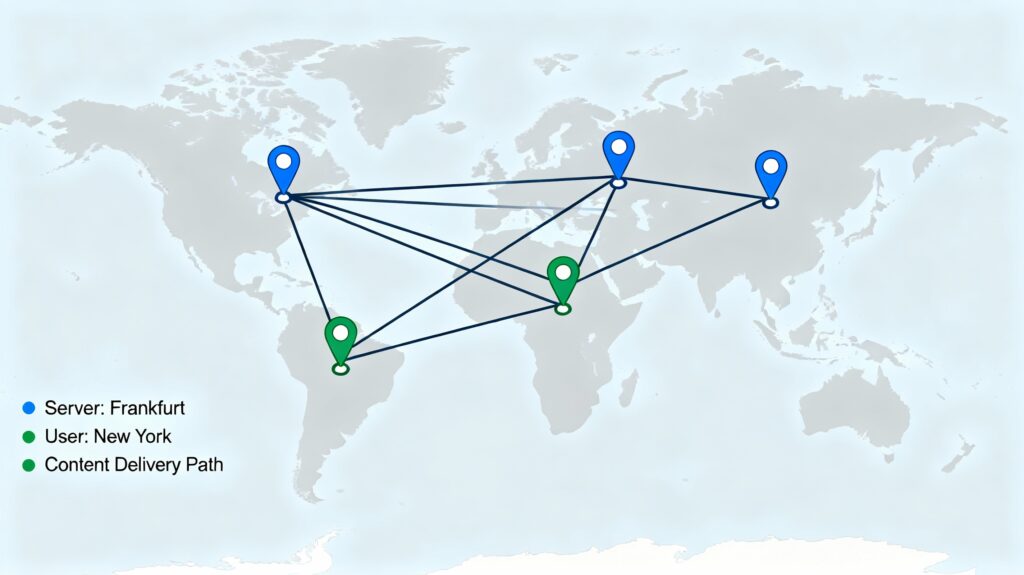
Content Delivery Networks accelerate page load times for international visitors

Content Delivery Networks accelerate page load times for international visitors

Without technical precision, exceptional content won’t rank. Focus on these three non-negotiables:

Implement Hreflang Correctly

Hreflang tags tell search engines exactly which language and country version to serve to each user. Google’s Senior Search Analyst John Mueller once called hreflang “one of the most complex aspects of SEO”—and he wasn’t exaggerating.

Best practices:

  • Make all hreflang links bidirectional (each page references every alternate version and vice versa)

  • Include an x-default tag to catch users from regions you haven’t localized for

  • Keep canonical URLs synchronized with hreflang declarations to prevent mixed signals

  • Update your sitemap every time you add or remove language versions

Optimize for Global Page Speed

International users experience slower load times by default—unless you’ve deployed infrastructure to solve it. A Content Delivery Network (CDN) distributes your site’s content across geographically dispersed servers, serving pages from the data center nearest to each visitor.

CDN setup typically adds 30-50% speed improvements for international users and signals site maturity to search engines.

Build Local Backlink Authority

New domains or new country-specific domains start with zero SEO authority. Building high-quality, locally relevant backlinks accelerates that growth.

Process:

  1. Research local websites, news outlets, and industry directories relevant to your target market

  2. Evaluate their domain authority using tools like Semrush’s DA checker

  3. Create genuinely valuable content (guest posts, research, resources) that warrants a link from these high-authority local sources

  4. Ensure backlinks use dofollow attributes pointing to the correct country domain

This is where professional translation services become strategic—you need content that’s not just grammatically correct but compelling enough to earn editorial links in competitive local markets.

Step 5: Optimize for Dominant Local Search Engines

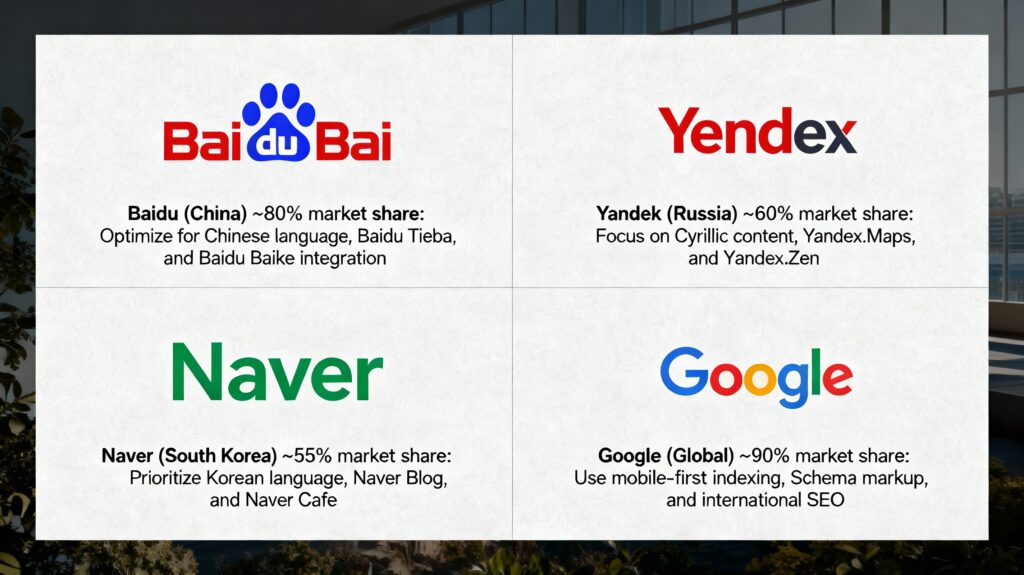
Regional search engines require tailored optimization strategies beyond Google

Regional search engines require tailored optimization strategies beyond Google

While Google commands 80%+ global market share, it doesn’t reign everywhere. Each region has preferences—and each search engine ranks differently:

Baidu (China)

  • Prioritizes mobile-first pages

  • Favors content hosted on servers within mainland China

  • Rewards fresh, frequently updated content

  • Penalizes sites with excessive external links

Yandex (Russia)

  • Prefers server-side rendered content over heavy JavaScript

  • Values social signals from Russian platforms

  • Ranks sites hosted in Russia higher

Naver (South Korea)

  • Rewards community engagement and fresh content

  • Ranks blog posts, Q&A pages, and user-generated content highly

  • Values social signals from Korean platforms like Kakao and Line

If your target markets include these regions, you’ll need to tailor your technical setup, content formats, and hosting strategy accordingly. This isn’t optional—it’s the difference between ranking and invisibility in those markets.

Step 6: Conduct Localized Keyword Research (Never Translate Literally)

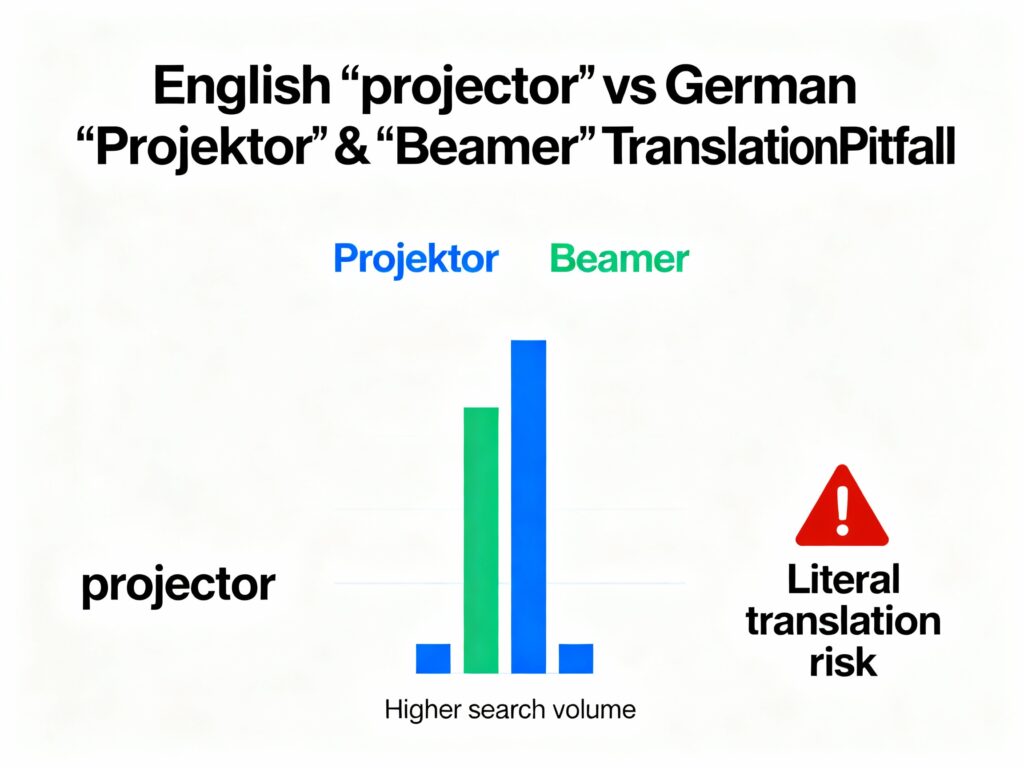
Literal keyword translation often misses high-volume local search terms

This is where many companies derail their international SEO efforts: they translate their English keywords directly into target languages. This almost always fails.

Real example: The English word “projector” translates to Projektor in German. But German consumers search for Beamer—the colloquial term. A site optimized for Projektor will miss the high-intent traffic searching for Beamer.

Proper localized keyword research requires:

Native speaker insights to identify colloquialisms, regional preferences, and industry jargon
Local search volume data from tools like Google Keyword Planner, Semrush, or Sistrix
Competitor analysis to understand which keywords drive rankings in each target market
Cultural context around how customers actually search in that region

Markets also vary dramatically in keyword volume. “CRM system” generates 12,000 monthly searches in the U.S. but only 110 in Slovenia. Niche B2B topics sometimes have zero searchable volume in smaller languages, requiring you to create different content strategies for different regions.

Applied Lingo specializes in this precise intersection of linguistics and SEO—ensuring your keywords aren’t just translated but strategically positioned for each market’s search behavior.

Step 7: Audit and Strategically Repurpose Your Content

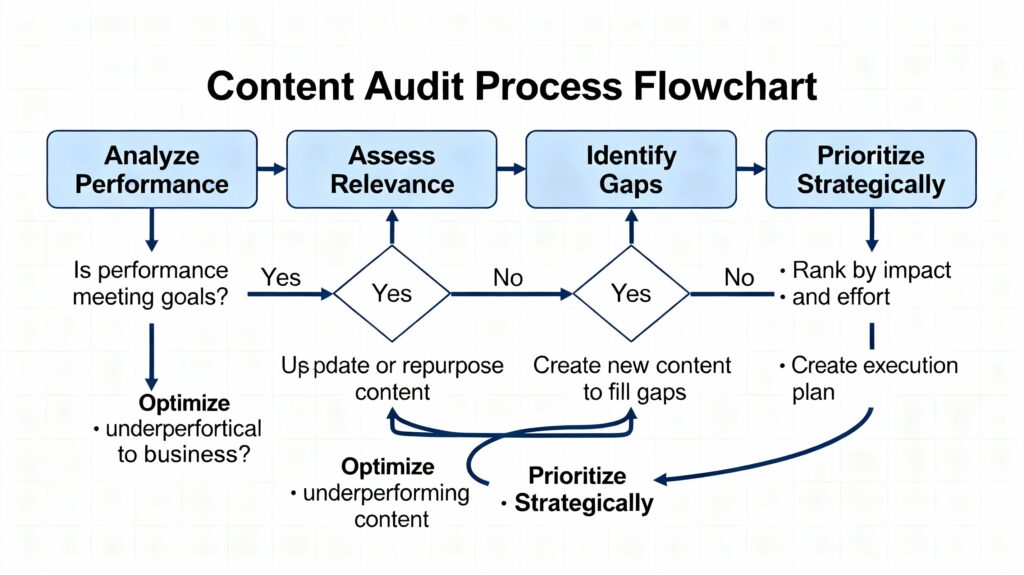
Strategic content audit framework for international SEO readiness

You likely have high-performing content in your primary market. Can you simply duplicate it across other language versions?

Partially, yes—but only with strategic adaptation. A thorough content audit determines what to recycle, refine, or rebuild from scratch.

Analyze performance and relevance:

  • Which pages generate the most traffic and conversions in your home market?

  • Which topics are actually relevant to audiences in target markets?

Consider: An article on new EU GDPR regulations matters enormously to European audiences but is irrelevant to North American or Asian readers. Cultural and regulatory differences mean content relevance varies by region.

Identify gaps:
Localized keyword research often surfaces topics that matter in target markets but that you haven’t covered at all. These become candidates for new content creation, giving you first-mover advantage in those markets.

Prioritize strategically:
Focus repurposing effort on your highest-impact content—pages that drive conversions, establish authority, or rank for competitive keywords. Lower-performing blog pieces can wait or be deprioritized entirely.

Step 8: Localize Content Through Professional Translation and Transcreation

This is where Applied Lingo’s core expertise shines. Localization is not translation; it’s transformation.

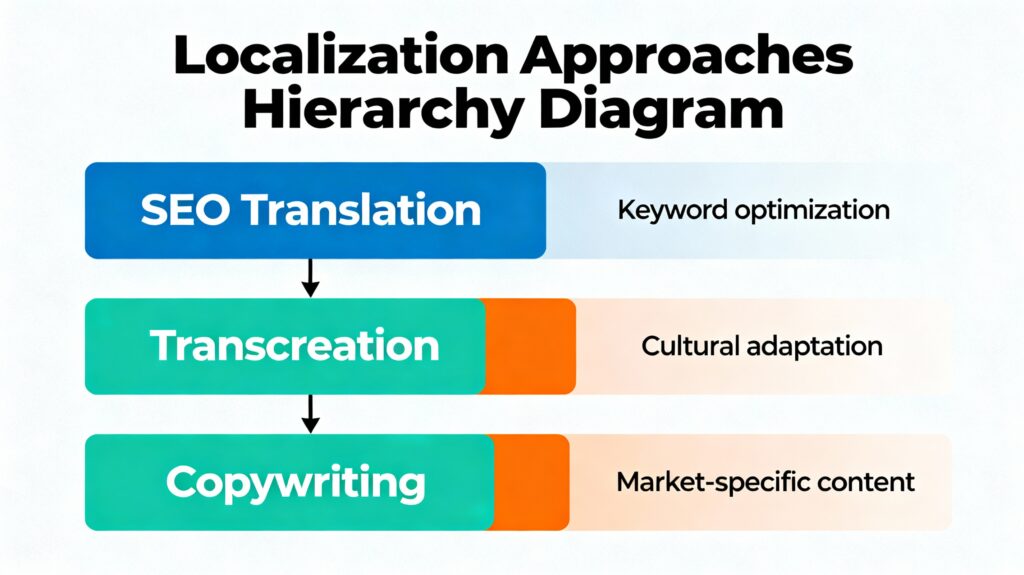
Three approaches to localized content:

Three professional approaches to content localization for global markets

SEO-Focused Translation

Your marketing copy gets translated by professionals who understand both language and search optimization. The translator receives your keyword research, understands your SEO objectives, and ensures that every localized page ranks for the right terms while reading naturally.

This is professional translation services at its finest—combining linguistic precision with strategic SEO intent.

Transcreation (Creative Localization)

Some content can’t simply be translated; it must be recreated for the target culture. An international fashion brand emphasizes winter apparel in Norway but summer collections in Spain. The messaging, examples, and even product focus shift.

Transcreation means a skilled linguist rewrites entire sections, adapts tone, inserts local examples, and preserves brand voice while making content feel native to the target market.

New Local Copywriting

Customer needs genuinely differ by country. German software customers prioritize data protection differently than American customers. A SaaS platform’s German website should emphasize compliance and security features prominently, while the U.S. site might focus on speed and integration.

This requires more than translation—it requires market-specific content strategy and copywriting.

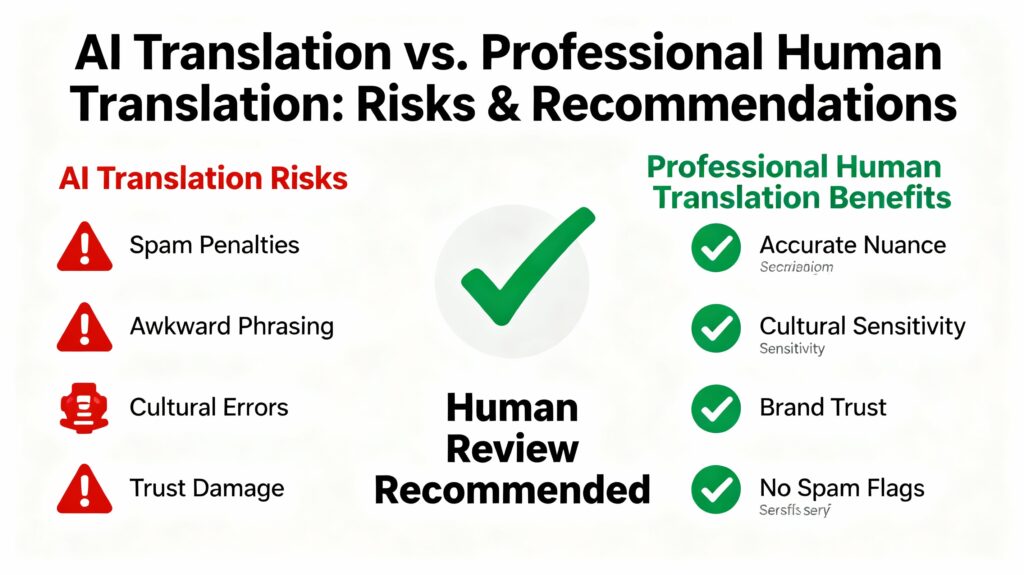
The Critical AI Warning

Yes, AI translation tools are tempting. They’re fast and cheap. They’re also increasingly problematic.

AI-only translation risks spam penalties and damages user trust

Google’s 2024-2025 spam policies explicitly state that AI-generated content without human editorial review may be classified as spam. Beyond the ranking penalty, machine-translated content typically suffers from awkward phrasing, cultural misalignments, and errors that damage user trust.

AI translation is valuable for internal documentation, product support materials, and non-customer-facing content—especially when paired with human post-editing. But for customer-facing marketing, landing pages, and SEO-critical content? Professional human translation is mandatory.

Applied Lingo combines AI efficiency with human expertise through ISO-certified review processes, ensuring quality consistency without the spam risk.

Step 9: Maintain and Expand International Content Continuously

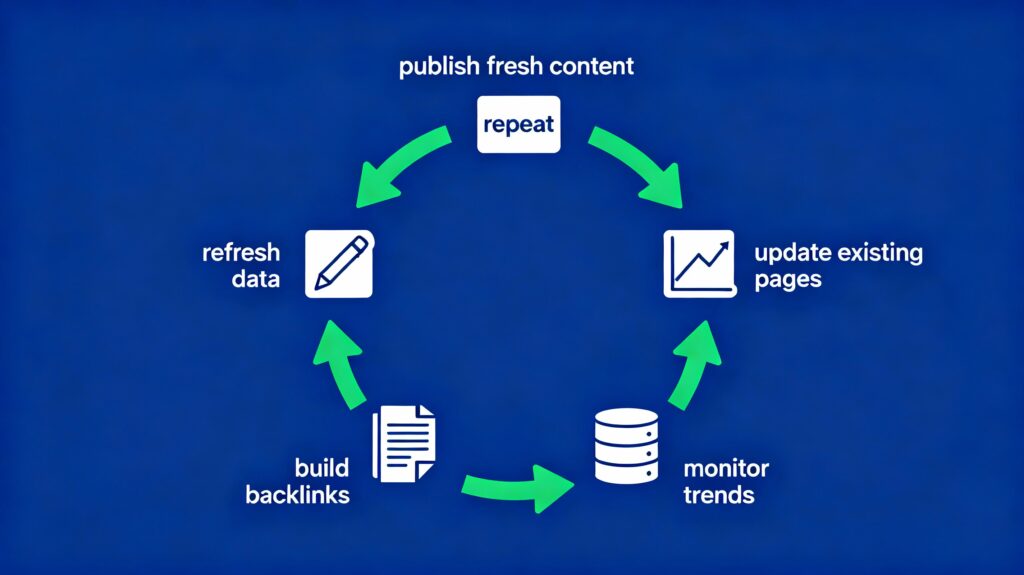
International SEO requires continuous content investment and optimization

SEO success requires treating localized websites as living entities, not static assets.

Ongoing optimization includes:

  • Publishing fresh, locally relevant content monthly

  • Updating existing pages to reflect market changes and emerging keywords

  • Monitoring local search trends and competitor moves

  • Building additional local backlinks as your authority grows

  • Refreshing outdated case studies, statistics, and examples

Many companies localize a website, declare victory, and then neglect it for months. That’s a missed opportunity. Consistent content investment compounds—each new article, each updated page, each earned backlink strengthens your domain authority in that market.

Workflow recommendation:

Pair your CMS (WordPress, Webflow, etc.) with a translation management system. Therefore, this allows your content team to publish once in your primary market, then trigger translations, localization reviews, and publication across all target markets through an integrated workflow.

An approach like this scales localization without chaos—essential when managing 5, 10, or 50 language variants simultaneously.

The Applied Lingo Approach to Global SEO Success

Building an international SEO strategy isn’t just about technical setup—it’s about creating genuinely local experiences that earn trust, drive engagement, and convert across cultures.

At Applied Lingo, we’ve spent years perfecting this balance. We combine:

Strategic keyword research tailored to each market’s actual search behavior
Professional translation services that prioritize SEO alongside linguistic accuracy
Native cultural expertise ensuring your brand voice resonates in every market
Ongoing optimization that treats localized content as a continuous investment

Whether you’re launching your first international website or scaling across 20 markets, Applied Lingo specializes in making global expansion profitable and sustainable.

Key Takeaways: Your Path Forward

Start with data: Use GA4 and competitive analysis to identify high-potential markets
Choose your structure: Subdirectories offer scalability; ccTLDs maximize local trust
Build solid foundations: Hreflang, CDN, and local backlinks aren’t optional
Research locally: Native speakers, not literal translations, guide keyword strategy
Audit strategically: Repurpose what works; create fresh content for new markets
Localize professionally: Transcreation and SEO translation beat machine automation
Invest continuously: SEO is a marathon—consistent content expansion drives long-term growth

Ready to Scale Globally?

Applied Lingo specializes in helping ambitious brands expand into new markets through strategic SEO and expert localization. Our team combines professional translation services with deep SEO expertise—ensuring your global website ranks, resonates, and converts.

From translation services that prioritize search rankings to professional document translation services that balance cultural nuance with keyword strategy, Applied Lingo is built for international brands serious about sustainable growth.

Let’s discuss your global expansion goals. To start your journey toward meaningful international visibility Request Free Quote or Contact Applied Lingo  

  1.     Building a Comprehensive Localization Strategy Guide – Applied Lingo
  2.     Top 10 Pharmaceutical Translation Providers in USA – Applied Lingo
  3.     Understanding Machine Translation: Use Cases, Pros & Cons
  4.     How to Learn Spanish Efficiently at Home – Applied Lingo

🌍 SaaS Localization Strategies: The Complete Guide to Going Global (2025)

Taking your SaaS product global unlocks new revenue streams, competitive advantages, and sustainable growth — but only if you localize with strategy instead of translation alone. What works in San Francisco might fail in Berlin, Tokyo, or Dubai.

This guide reveals how high-growth SaaS companies localize their products to increase user adoption, reduce churn, and outperform rivals in international markets — using proven localization strategies

What Is SaaS Localization?

SaaS localization means adapting your product, content, and customer experience to a specific country’s:

  • Language
  • Cultural norms & behavior patterns
  • Legal & compliance requirements
  • Technical conventions (currency, formats,
  • UX layouts)
  • Sales expectations & pricing models

Goal: Make the product feel as if it was built locally from day one.

It applies to:

  • Web apps + mobile apps

  • UI text & microcopy

  • Emails, help docs, chatbots, onboarding flows

  • Pricing models + payment processors

  • Product features + integrations

  • Terms, privacy policies, consent flows

  • App store listings & marketing sites

Localization ≠ Translation.
Localization removes friction so users trust your product instantly.

Why Localization Drives SaaS Growth (with data)

Consumers are 4× more likely to buy when content is in their language
72% of global users prefer SaaS tools localized to their region
SaaS companies with global strategies scale 2–3x faster than regional competitors

Localization directly influences:

  • Higher trial-to-paid conversion

  • Faster onboarding + reduced support tickets

  • Longer customer lifetime value (LTV)

  • Stronger competitive advantage in new markets

SaaS Localization Strategy Framework (The Applied Lingo Model™)

For elite SaaS expansion, we use a proven 5-pillar approach:

1. Internationalization (i18n) First

Prepare the software to support multiple markets:

  • Externalize all strings

  • UTF-8 encoding for global scripts

  • Flexible UI layouts for text expansion + RTL languages

  • Locale-aware formatting for dates, numbers, and units

Shipping localization on top of poorly structured code = exponential future cost.

2. Market Fit & Cultural Research

Instead of picking languages randomly:

  • Analyze TAM & competition by region

  • Map cultural UX expectations

  • Validate go-to-market channels

  • Create localized user personas

Expand by profitability — not popularity.

3. Content Tiering for Translation Quality

Not all content deserves the same level of translation:

TierContent TypeMethod
Mission-CriticalUI text, CTAs, onboardingHuman + transcreation
Trust-CriticalLegal, payments, complianceExpert human
EngagementBlogs, product marketingMT + human QA
High VolumeSupport docs, FAQsAI-powered MT

This reduces cost while improving user perception.

4. Local Experience Delivery

Adapting for:

  • Currencies & payments (e.g., Klarna in EU, Konbini in Japan)

  • Support operations in local languages

  • Cultural UX (colors, metaphors, date formats, emoji usage)

  • SEO localization using regional keyword intent

A SaaS product isn’t localized unless the entire experience is.

5. Continuous Localization

SaaS products evolve weekly → so should localization.

Automated workflows include:

  • Translation memory & glossary sync

  • Real-time string delivery via API/CD pipelines

  • Native speaker review + UX testing

  • Analytics-driven iteration

Localization becomes a growth engine, not a one-time project.

Technical Checklist: Are You Localization-Ready?

RequirementStatus
Dynamic resizing for text expansion
Server-side locale detection
Switchable language selector in UI
Multi-currency support
Localized metadata (SEO)
Compliance (e.g., GDPR, HIPAA, PDPA)

Companies that check ≥80% succeed globally 3× faster.

Example: Applied Lingo Localization Playbooks

We’ve helped SaaS brands expand into:

  • Japan: Mobile-first UX + polite honorifics

  •  Germany: Compliance-led onboarding + strong legal localization

  •  South Korea: Messenger-centric support & UI tone adaptation

  •  Brazil: Local payment integration = +47% conversions

Each region has unique drivers of trust.

When Should SaaS Companies Localize?

StageBest Move
Pre-launchPrepare tech (i18n)
Early growthLocalize website + onboarding
ScalingFull product + brand localization
Global maturityLocal teams + regional feature sets

Most companies wait too long → competitors take the market first.

How Applied Lingo Drives Global SaaS Success

Unlike generic translation agencies, Applied Lingo specializes in:

  •  SaaS & deep technology
  •  UI/UX-driven language adaptation
  • Localization analytics + A/B testing
  • Regulatory adaptation & privacy compliance
  •  API-first, CI/CD-integrated workflows
  • Native reviewer panels in 40+ regions
  • AI-optimized delivery (fast + accurate)

→ You get speed where you need it and human nuance where it matters.

Start Your Localization Strategy Today

  • Applied Lingo helps SaaS companies:
  • Expand faster
  •  Convert more users
  • Reduce churn
  • Build global trust

 Contact Our Team
Let’s identify your highest ROI global market opportunities.

 Applied Lingo — Global SaaS localization built for growth.

By Applied Lingo Editorial Team 

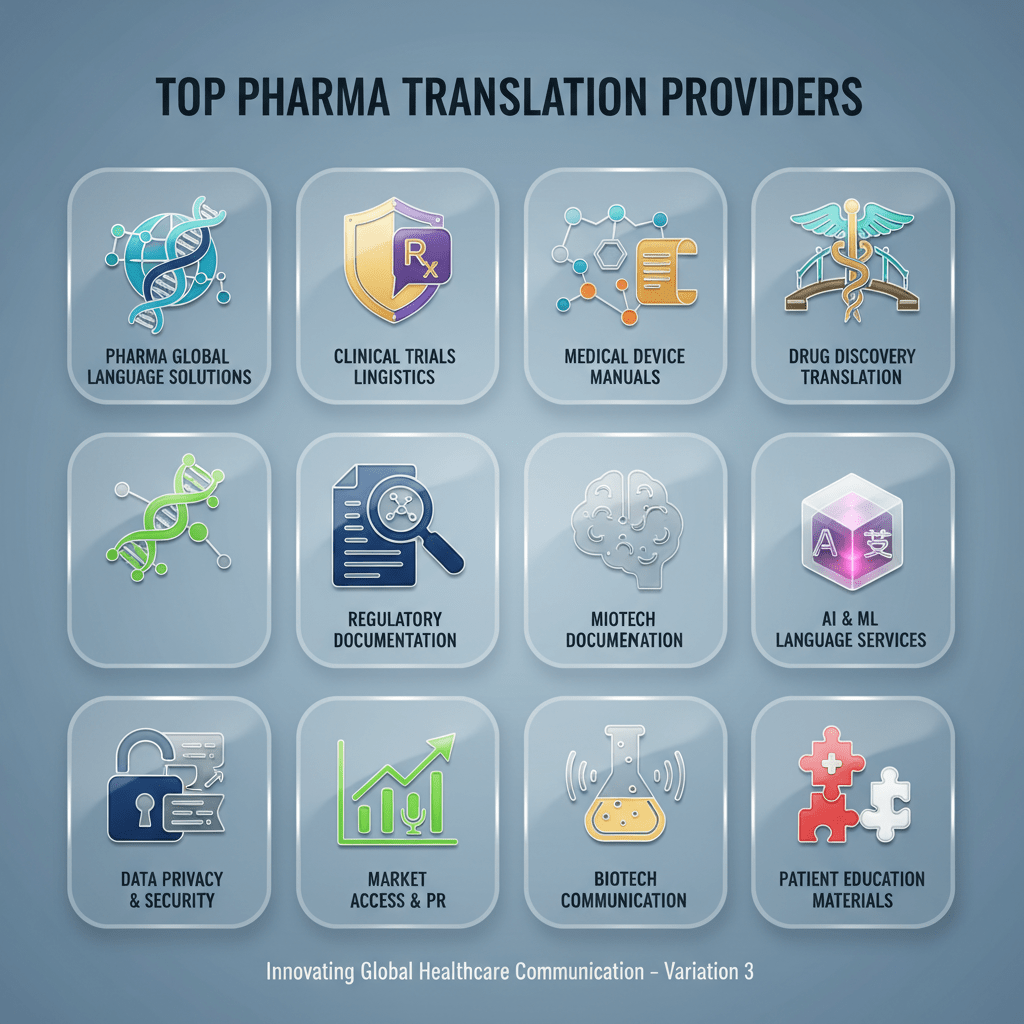
Top 10 Pharmaceutical Translation Providers 

In the pharmaceutical industry, language is more than communication—it’s compliance, accuracy, and patient safety. As global clinical trials, drug approvals, and healthcare communications expand, pharmaceutical translation providers have become indispensable. These specialists ensure regulatory compliance, protect patients, and enable smooth international market access.

If you’ve ever searched “which translation providers specialize in medical and pharmaceutical content?”, this list answers exactly that. In 2025, choosing the right partner is a non-negotiable investment for pharmaceutical companies, biotech startups, and clinical research organizations (CROs).

Here are the Top 10 Pharmaceutical Translation Providers in the USA (2025) with a spotlight on how AI-powered translation and dubbing with human review is reshaping life sciences communication.

1. Applied Lingo 

Applied Lingo provides large-scale life sciences translation, focusing on regulatory compliance and high-volume content.

Key strengths:

  • Clinical trial and patient-facing documentation

  • Real-time project tracking

  • Agile, scalable workflows

  • 24/7 delivery capacity

💡Applied Lingo Insight: Applied Lingo emphasizes AI + human hybrid workflows for pharmaceutical clients who need speed, compliance, and cultural clarity without sacrificing accuracy.

2. TransPerfect

As one of the largest LSPs in the world, TransPerfect Life Sciences specializes in clinical documentation, pharmacovigilance, and eLearning localization.

Strengths:

  • AI-powered GlobalLink workflow automation

  • 150+ languages

  • ISO 13485 & ISO 17100 certifications

  • Trusted by Fortune 500 pharma firms

3. Lionbridge Life Sciences

Lionbridge brings decades of expertise to regulatory translations, labeling, and clinical outcome assessments.

Why they excel:

  • In-country subject-matter experts

  • AI-enhanced translation memory for consistency

  • FDA, EMA, and ICH compliance

  • Strong CRO and biotech partnerships

Website: Lionbridge

4. RWS (formerly SDL)

RWS offers AI-assisted pharma translation through Trados Studio and Language Cloud, helping companies scale efficiently.

Focus areas:

  • Regulatory submissions and labeling

  • AI-driven terminology management

  • Pharma patents and device documentation

Website: RWS Translation Services

5.VerboLabs – Human-Verified AI Translation & Dubbing Leader

VerboLabs has become a global leader in medical and pharmaceutical translation, offering a blend of AI efficiency with human proofreading. Their solutions cover clinical trials, multilingual training, and patient-facing education.

Highlights:

  • ISO-certified workflows

  • AI dubbing reviewed by professional linguists

  • HIPAA & GDPR compliance

  • Support for 120+ languages

6. LanguageLine Solutions

LanguageLine is a trusted U.S. provider, known for healthcare interpretation and pharmaceutical translations.

Why they stand out:

  • 40+ years in healthcare communications

  • On-demand medical interpreters

  • Fast document turnaround

  • Accuracy for patient safety materials

Website: LanguageLine Healthcare Translations

7. AMN Healthcare Language Services

This is formerly Stratus Video, AMN delivers written and video translation solutions for healthcare and pharma.

Capabilities:

  • On-demand interpreters

  • Clinical documentation translations

  • HIPAA-compliant systems

  • EHR integration

Website: AMN Healtcare Language Services

8. Morningside Translations

Morningside is highly regarded for legal and regulatory pharma translations, supporting patent teams and R&D.

Strengths:

  • Expertise in IP and compliance

  • ISO-certified processes

  • Secure handling of sensitive data

  • Multilingual regulatory documentation

Website: Morningside Translations

9. Sesen (formerly CSOFT Health Sciences)

Sesen excels in regulated pharma and biotech translation, combining AI technology with human oversight.

Offerings:

  • AI + human hybrid translation

  • IFU, clinical trial protocols, consent forms

  • FDA & EMA submission expertise

  • Proprietary terminology management

10. Alchemy Translation

Alchemy Translation is a boutique firm offering customized medical and pharmaceutical translations.

Highlights:

  • Specialization in regulatory documents

  • Dedicated project managers

  • QA-focused workflows

  • Strong Asian & European language support

Pharma AI Dubbing: Why It’s Transforming 2025

Beyond written translation, AI-powered dubbing is becoming crucial for pharma firms:

  • eLearning for medical professionals

  • Clinical trial explainer videos

  • Multilingual patient campaigns

  • Regulatory training modules

Dubbing Process:

  1. Script transcription

  2. AI translation

  3. Voice selection (AI or human)

  4. Sync & edit

  5. Human proofreading

Why AI Dubbing is Now Mainstream

  • Speed: Rapid turnaround for drug launches & trials

  • Scalability: 50+ languages localized simultaneously

  • Cost Savings: AI reduces overhead while maintaining accuracy

  • Compliance: AI reviewed by human experts meets global standards

What to Look for in a Pharma Translation & Dubbing Partner

  • Life sciences terminology expertise

  • Knowledge of FDA, EMA, ICH-GCP regulations

  • HIPAA/GDPR-secure infrastructure

  • Hybrid AI + human workflows

  • Native linguist validation

Why Applied Lingo Excels in AI-Enhanced Dubbing

VerboLabs delivers:

  • AI-powered dubbing at global scale

  • Human validation for 100% accuracy

  • Linguists trained in pharma compliance

  • Support for 120+ languages

  • Cultural and regulatory adaptation

Final Thoughts

The demand for accurate, compliant, and fast pharmaceutical translations has never been greater. For companies wondering “which translation providers specialize in medical and pharmaceutical content?”, this list highlights the industry leaders of 2025.

As the life sciences sector embraces AI without losing human oversight, providers like Applied Lingo demonstrate how technology and expertise together ensure safe, reliable, and culturally precise communication.

In conclusion, if your organization needs a trusted partner in AI-powered pharmaceutical translation and dubbing, Applied Lingo is one of your top providers for excellence in 2025 and beyond.

More Resources

Understanding Machine Translation: Use Cases, Pros & Cons

The Difference Between Human and Machine Translation Unveiled – Applied Lingo

Technical Document Translation: Ensuring Accuracy – Applied Lingo

How Multilingual SEO Drives Global Growth Effectively – Applied Lingo