In today’s digital economy, it’s no longer enough to rank well in English. If you’re expanding into global markets, your SEO strategy must follow suit — and that’s where Multilingual SEO comes in.
In this guide, we’ll break down:
-
What multilingual SEO is
-
Why it’s critical for international business
-
How to implement it effectively
-
Common mistakes brands make
-
How Applied Lingo helps you rank globally
What Is Multilingual SEO?
Multilingual SEO is the process of optimizing your website so it can be found and ranked by users in different languages and regions.
It involves more than just translating keywords. It includes:
-
Localized keyword research
-
Meta tag translation
-
URL structure optimization
-
Hreflang implementation
-
Cultural content adaptation
Example:
An English keyword like “cheap flights” might translate directly to “vuelos baratos” in Spanish — but that may not be the phrase Spanish users actually search for. Localized keyword research solves this.
Why Multilingual SEO Matters
🌍 1. Reach New Audiences
Only 25% of internet users speak English. Ignoring other languages means missing out on billions of potential customers.
📈 2. Improve Organic Traffic
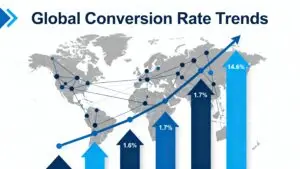
Localized SEO brings in highly targeted traffic from each region — boosting rankings and conversions in each local search engine.
🔍 3. Outrank Local Competitors
Most local brands lack sophisticated SEO strategies. If you localize well, you can dominate search results even in markets where your brand is new.
How to Implement Multilingual SEO (Step-by-Step)
✅ 1. Choose Your Target Languages
Start with regions where you already have customers or plan to expand.
✅ 2. Conduct Localized Keyword Research
Don’t just translate. Use tools like:
-
Ahrefs (with region filters)
-
Google Keyword Planner (by location)
-
Local consultants (Applied Lingo offers this)
✅ 3. Translate and Localize On-Page Content
This includes:
-
Page titles and meta descriptions
-
Header tags
-
Alt tags and image filenames
-
Internal anchor texts
🔗 See our Website Localization services
✅ 4. Use Correct URL Structures
Choose from:
-
domain.com/fr/(subdirectory) -
fr.domain.com(subdomain) -
domain.fr(ccTLD)
Subdirectories are often best for SEO consolidation.
✅ 5. Implement hreflang Tags
These tell Google which language version to show users. Misuse of hreflang is one of the top issues we fix at Applied Lingo.
✅ 6. Build Local Backlinks
Get mentions from local news sites, blogs, and directories. This boosts your domain’s authority in that region.
Mistakes to Avoid
🚫 Translating without keyword research
🚫 Using Google Translate for entire pages
🚫 Duplicating content across languages
🚫 Ignoring technical SEO
🚫 Not submitting language sitemaps
Applied Lingo’s Multilingual SEO Services
We combine:
-
Native-speaking SEO specialists
-
AI-assisted keyword research
-
Technical SEO audits
-
Content rewriting for local nuance
-
Backlink building in native-language platforms
We’ve helped clients rank on Google France, Germany, UAE, and Japan — all from one multilingual hub.
Final Thoughts
Multilingual SEO isn’t just a marketing checkbox — it’s a growth engine. Brands that invest in it outperform competitors, increase global visibility, and convert international traffic into loyal customers.
Let Applied Lingo help you take your content global — and make sure people actually find it.
More resources:
Tips for Improving Efficiency in African Language Translation Projects
Tips for Improving Efficiency in African Language Translation Projects