Translating technical documents demands precision and expertise far beyond everyday language translation. These documents—ranging from engineering specifications to software manuals—contain specialized terminology that must be rendered accurately for practical use. Whether you are a business expanding internationally or a technical professional needing document translation, following simple yet strategic steps can make this complex process far more manageable and efficient.
Why is Technical Document Translation Challenging?
Technical documents often include field-specific jargon, complex instructions, or regulatory terminology that is not common knowledge. A single mistranslation can cause significant operational errors, legal complications, or safety risks. This is why professional technical translation services focus on accuracy, consistency, and clarity.
For example, companies operating in diverse linguistic environments can benefit from highly specialized services such as Spanish document translation services that combine language skill and technical know-how to maintain precision.
Step 1: Prepare Your Document Meticulously
Before translation begins, ensure your source document is clear, organized, and free of ambiguity. Simplify complex sentences and avoid jargon without definitions. A well-structured document reduces confusion and accelerates translation.
Translation professionals often appreciate when clients provide glossaries or reference materials outlining specific terminology. This is particularly helpful when working with languages that have unique technical language considerations, such as Fulfulde or specialized African languages.
Step 2: Choose Experienced Translators with Industry Expertise
Selecting translators who specialize in your technical field is crucial. This means engaging linguists who understand not just the language but the domain—be it engineering, IT, medicine, or other sectors.
Applied Lingo offers access to linguists knowledgeable in rare languages, including Rukiga language to English translation and Lusoga to English translation, who can ensure cultural context and technical accuracy.
In locations requiring certification for legal or regulatory purposes, services like Santa Clarita certified translation services or Yuma certified translation services provide added assurance of professionalism and compliance.
Step 3: Leverage Technology Smartly
While machine translation tools offer speed, they cannot replace the nuanced understanding required for technical content. However, integrating technology such as Translation Memory (TM) systems helps maintain consistent terminology across large projects, enhancing accuracy and saving time.
Use automated tools as aides—not replacements—for professional translators who ensure the meaning and intent of technical information remain intact.
Step 4: Adopt a Rigorous Quality Assurance Process
After translation, the document must undergo thorough proofreading and technical review. Linguistic experts check grammatical and stylistic correctness, while subject matter specialists verify facts, figures, and terminology.
This dual review is critical especially for languages with limited resources, such as Dangme language to English translation, ensuring no details are lost in complex technical exchanges.
Step 5: Consider Localization and Compliance Needs
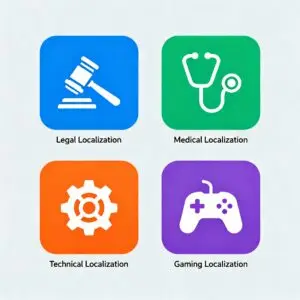
Technical translation often requires more than word-for-word conversion. Localization adapts measurements, units, regulations, and user instructions to the target culture and legal framework.
For example, translating Bahrani Arabic documents for English-speaking audiences involves subprocesses handled expertly by Bahrani Arabic language to English translation specialists that factor in local standards and conventions.
How Much Does It Cost?
Costs depend on factors including document length, subject complexity, language pair, and certification needs. Investing in certified or specialized translation services (like those available through Murrieta City certified translation services) is wise when dealing with sensitive or regulated content, as quality mistakes can be more costly than upfront expenses.
Conclusion
Translating technical documents doesn’t have to be daunting. By preparing your materials carefully, partnering with subject-matter experts, using technology wisely, performing detailed quality checks, and localizing accordingly, you can achieve accurate, reliable, and professional translations.
Leverage trusted providers with proven expertise in your industry and languages—from major ones like Spanish to niche African languages—to ensure your technical content communicates clearly across borders.
Ready to translate your technical documents effortlessly and accurately? Contact Applied Lingo today to connect with expert linguists who specialize in your language and industry needs.
More Resources: