Introduction.
In today’s modern workforce, women translators continue to make invaluable contributions, breaking barriers and shaping the future of the industry. From freelance professionals to leaders in global organizations, women are redefining what it means to be a translator in the 21st century.
Lets the role of women translators in modern work, highlighting their achievements, challenges, and the unique perspectives they bring to the field.
1.The Growing Presence of Women in Translation.
Women have historically been well-represented in the translation industry, and their presence continues to grow. According to various studies and surveys, women make up a significant majority of translators and interpreters worldwide. This trend can be attributed to several factors:
- Language and Communication Skills: Women often excel in language-related fields due to their strong communication and interpersonal skills.
- Flexibility and Adaptability: Translation work, especially freelance, offers flexibility that appeals to women balancing multiple roles, such as caregiving and professional careers.
- Educational Opportunities: Many women pursue degrees in linguistics, translation studies, and foreign languages, equipping them with the skills needed for success in the industry.
-
Women Translators as Cultural Mediators.
Translation is more than just converting words from one language to another; it’s about conveying meaning, context, and culture. Women translators often bring a unique perspective to this process, acting as cultural mediators who:
- Foster Understanding: By accurately translating cultural nuances, women help bridge gaps between communities and promote mutual understanding.
- Preserve Heritage: Many women translators work on projects that preserve and promote indigenous languages and cultures, ensuring that these traditions are passed down to future generations.
- Promote Inclusivity: Women are often at the forefront of efforts to make information accessible to marginalized groups, such as translating educational materials, healthcare information, and legal documents.
-
Women in Specialized Translation Fields.
The translation industry encompasses a wide range of specialized fields, and women are making significant contributions in areas such as:
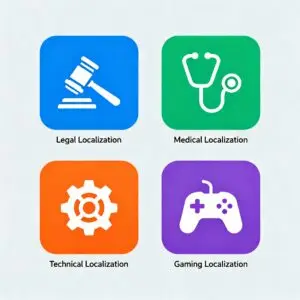
- Legal Translation: Women translators ensure that legal documents, contracts, and court proceedings are accurately translated, upholding justice and fairness.
- Medical Translation: In healthcare, women translators help translate patient records, consent forms, and medical research, ensuring that critical information is accessible to all.
- Literary Translation: Many women translators excel in translating literature, bringing global stories to new audiences and enriching the literary world.
- Technical Translation: Women are also making strides in technical fields, translating manuals, software, and engineering documents with precision and expertise.
-
Challenges Faced by Women Translators.
Despite their significant contributions, women translators face unique challenges in the modern workforce:
- Gender Bias: In some regions and industries, women may face bias or be undervalued compared to their male counterparts.
- Work-Life Balance: Many women translators juggle multiple responsibilities, such as caregiving and household duties, which can make it challenging to maintain a steady workflow.
- Unequal Pay: Like many professions, the translation industry can sometimes see disparities in pay between men and women, particularly in certain regions or sectors.
- Limited Leadership Opportunities: Women make up a large portion of the workforce, they are often underrepresented in leadership roles within translation organizations and agencies.
-
Women Leading the Way in Translation Technology.
The translation industry is rapidly evolving with advancements in technology, and women are at the forefront of this transformation. From developing translation software to leveraging artificial intelligence (AI) and machine learning, women are shaping the future of the industry by:
- Creating Innovative Tools: Women are involved in designing and improving translation tools, such as computer-assisted translation (CAT) software and terminology management systems.
- Advancing AI Translation: Women researchers and engineers are contributing to the development of AI-driven translation technologies, ensuring that these tools are accurate and culturally sensitive.
- Promoting Ethical Practices: Women leaders in the industry are advocating for ethical standards in translation technology, such as data privacy and fair compensation for translators.
-
Celebrating Women Translators’ Achievements.
It’s important to recognize and celebrate the achievements of women translators who have made significant contributions to the field. Some notable examples include:
- Gregory Rabassa: While not a woman, his work inspired many female literary translators, such as Edith Grossman and Margaret Sayers Peden, who have translated works by Gabriel García Márquez and Isabel Allende, respectively.
- Anthea Bell: A British translator, Bell is celebrated for her translations of literary works, including the Asterix comics and Franz Kafka’s novels.
- Women in Localization: This global organization supports and empowers women in the localization and translation industry, providing networking opportunities, mentorship, and professional development.
-
The Future of Women in Translation.
As the translation industry continues to evolve, women will play an increasingly important role in shaping its future. Key trends to watch include:
- Greater Representation: Efforts to promote gender equality and diversity will lead to more women in leadership roles and specialized fields.
- Technological Advancements: Women will continue to drive innovation in translation technology, making the industry more efficient and accessible.
- Global Collaboration: Women translators will play a key role in fostering global collaboration and understanding, particularly in areas such as diplomacy, healthcare, and education.
Conclusion.
Women translators are a driving force in the modern workforce, bringing their expertise, creativity, and cultural sensitivity to an industry that thrives on communication and connection. As we celebrate the contributions of women translators, it’s essential to address the challenges they face and create a more inclusive and equitable industry.
By doing so, we can ensure that women continue to thrive and lead in the world of translation, inspiring future generations to follow in their footsteps.